
INFORMED CITIZENSHIP 101 (Part 1) Understanding Bills
Understanding Bills, and how to respond to them (Also: who is working behind the scenes... more on the Government House Leader & the Privy Council Office.)
Currently, a number of controversial bills are being discussed in either the House of Commons or the Senate, and heavily critiqued within various citizen action groups but rarely getting thorough coverage in the government-funded, corporate backed “mainstream” media. As a result, those who write and those who follow the news are missing out on major discussions runing behind the scenes in Parliament.
CSNews is starting this BILLS subsection to provide support to news makers, news writers and news followers - looking once again to highlight what is being vastly underrported in Canadian media.
For a quick look, readers are encouraged to regularly follow this page, looking for updates every few days as Parliament is in session:
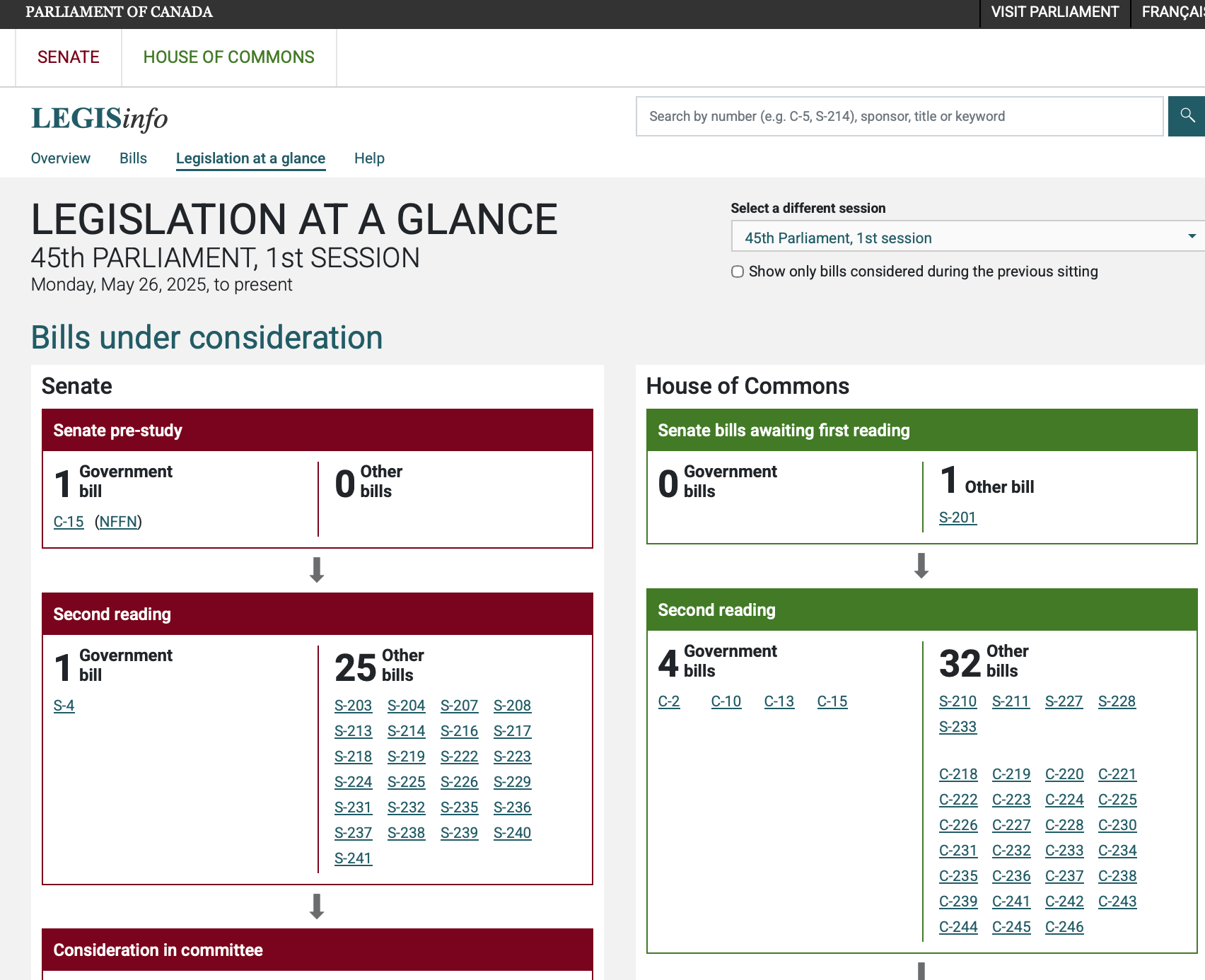
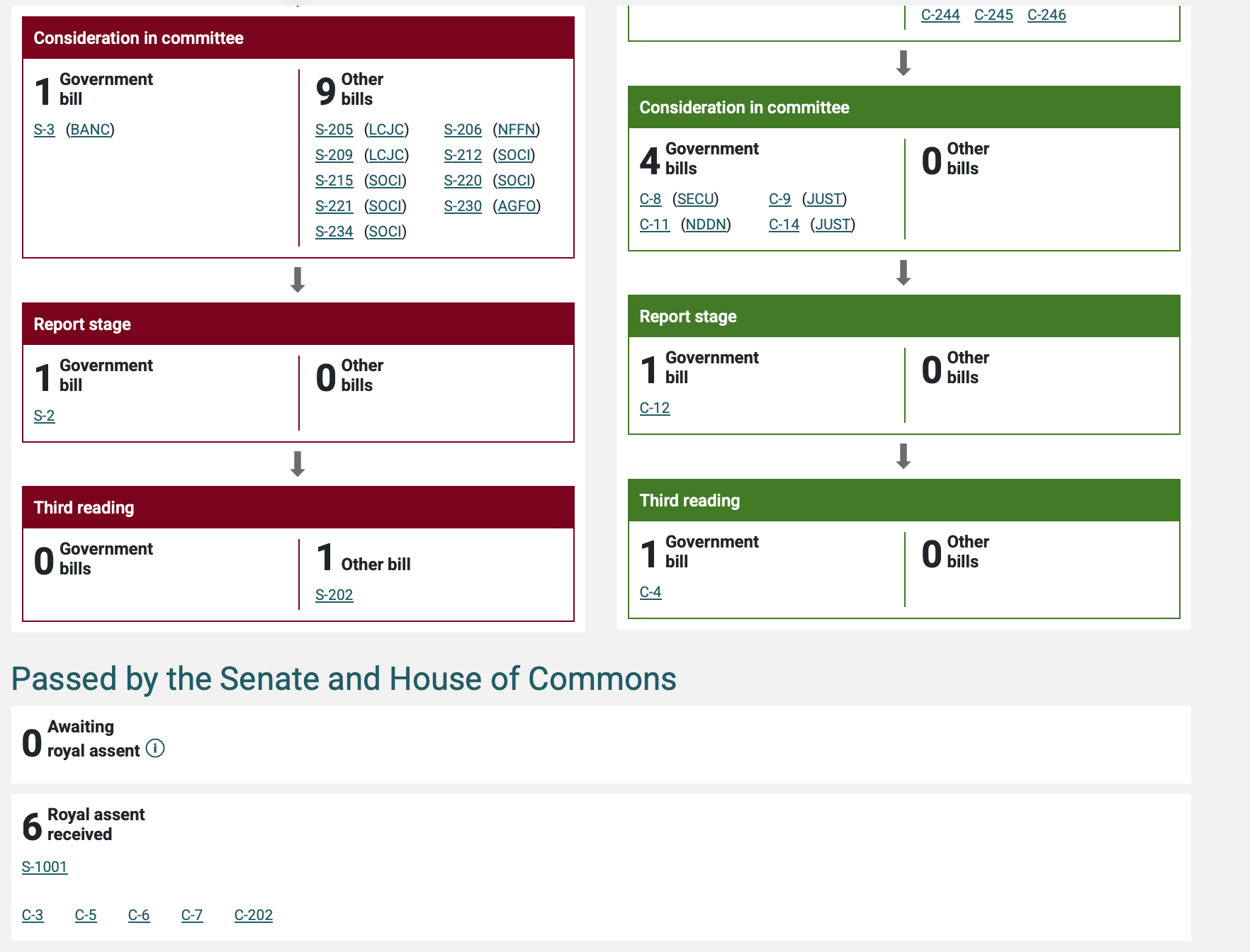
https://www.parl.ca/LegisInfo/en/legislation-at-a-glance
By mousing over a bill’s number, one can see its progression along this timeline from:
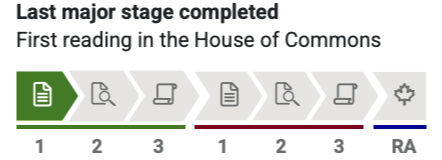
to:
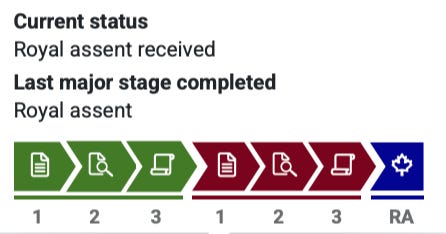
The other two options are:

OVERVIEW - which indicates which bills are up for the day…
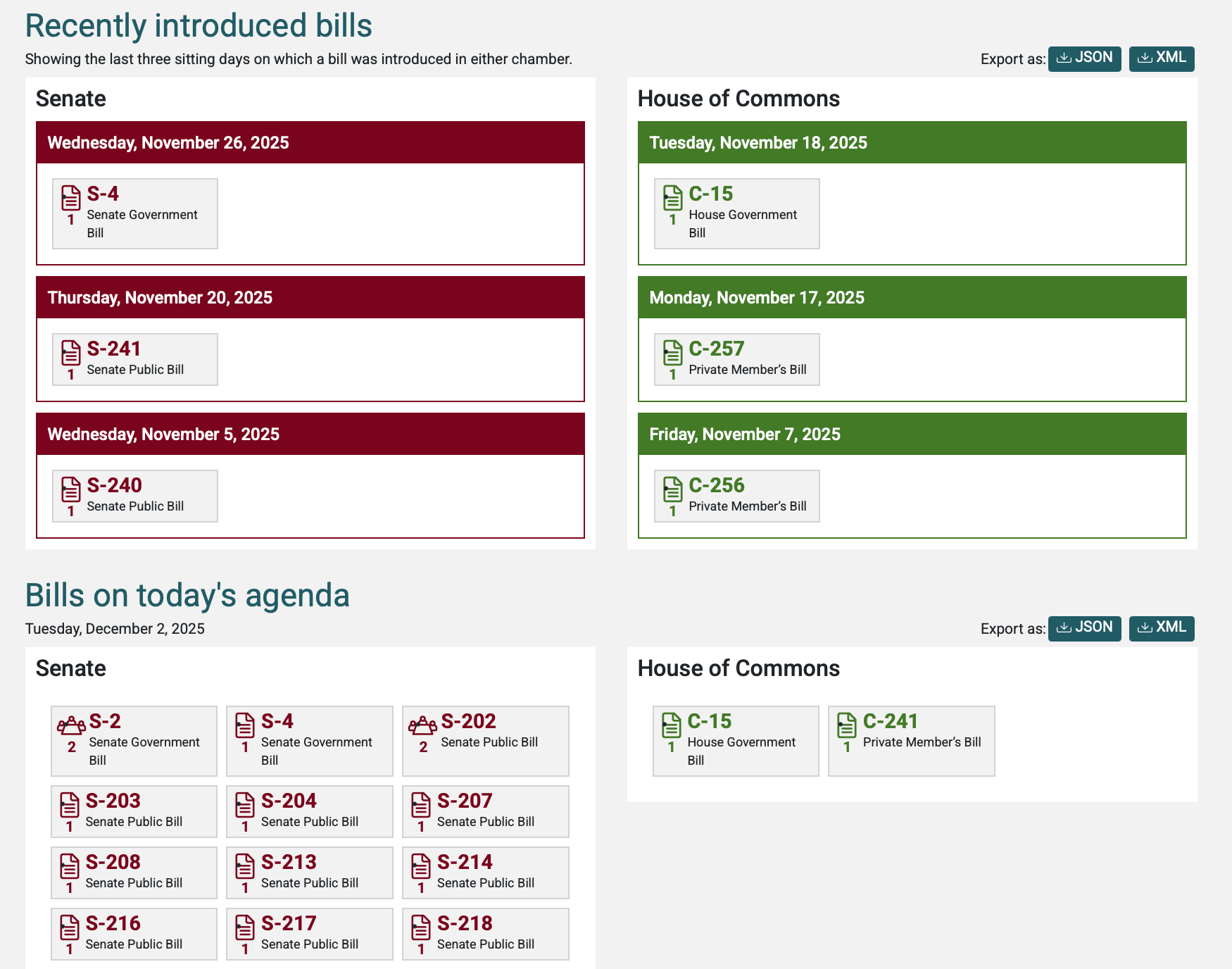
And BILLS - which provides a listing in chronological order of each bill, starting with Senate bills.
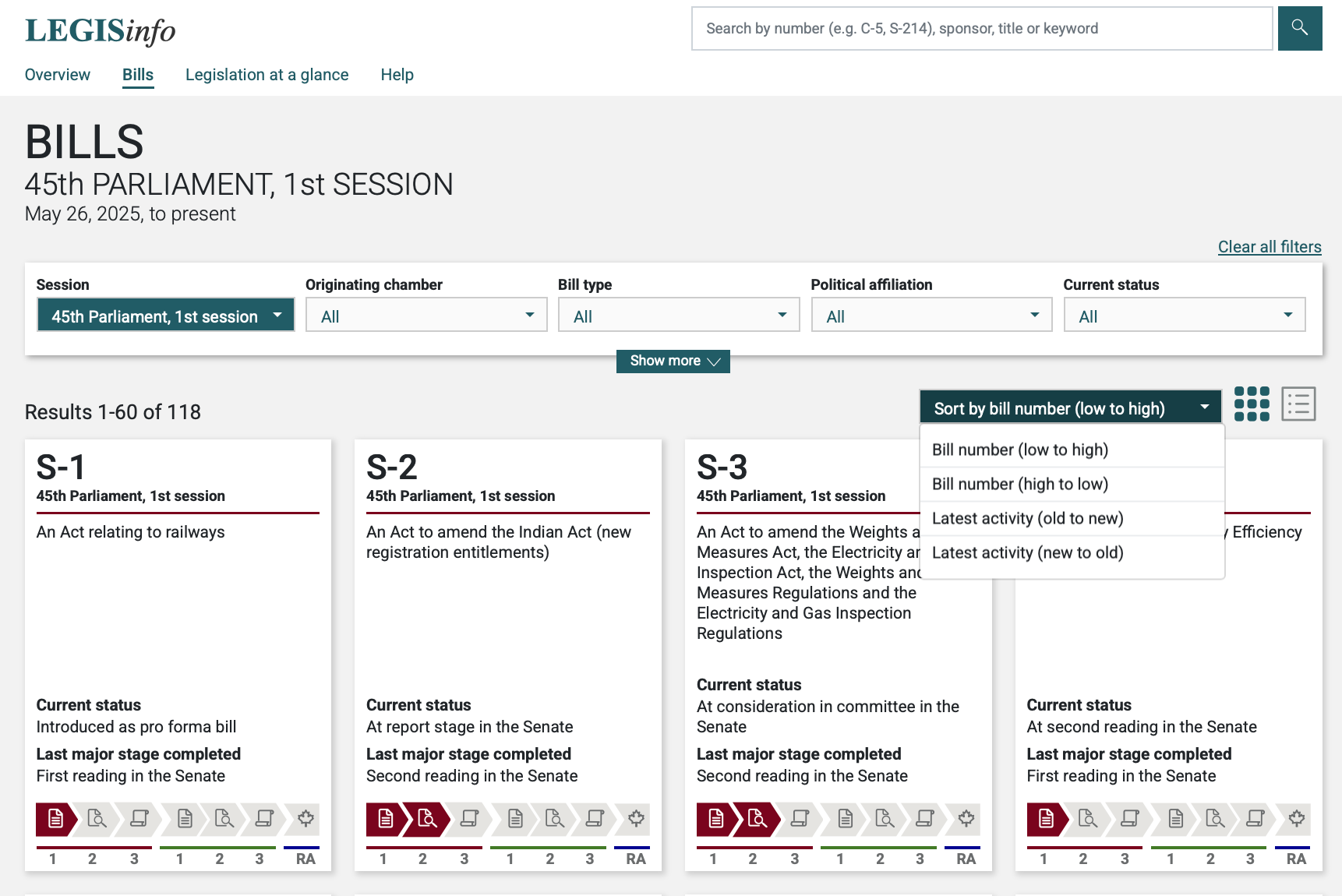
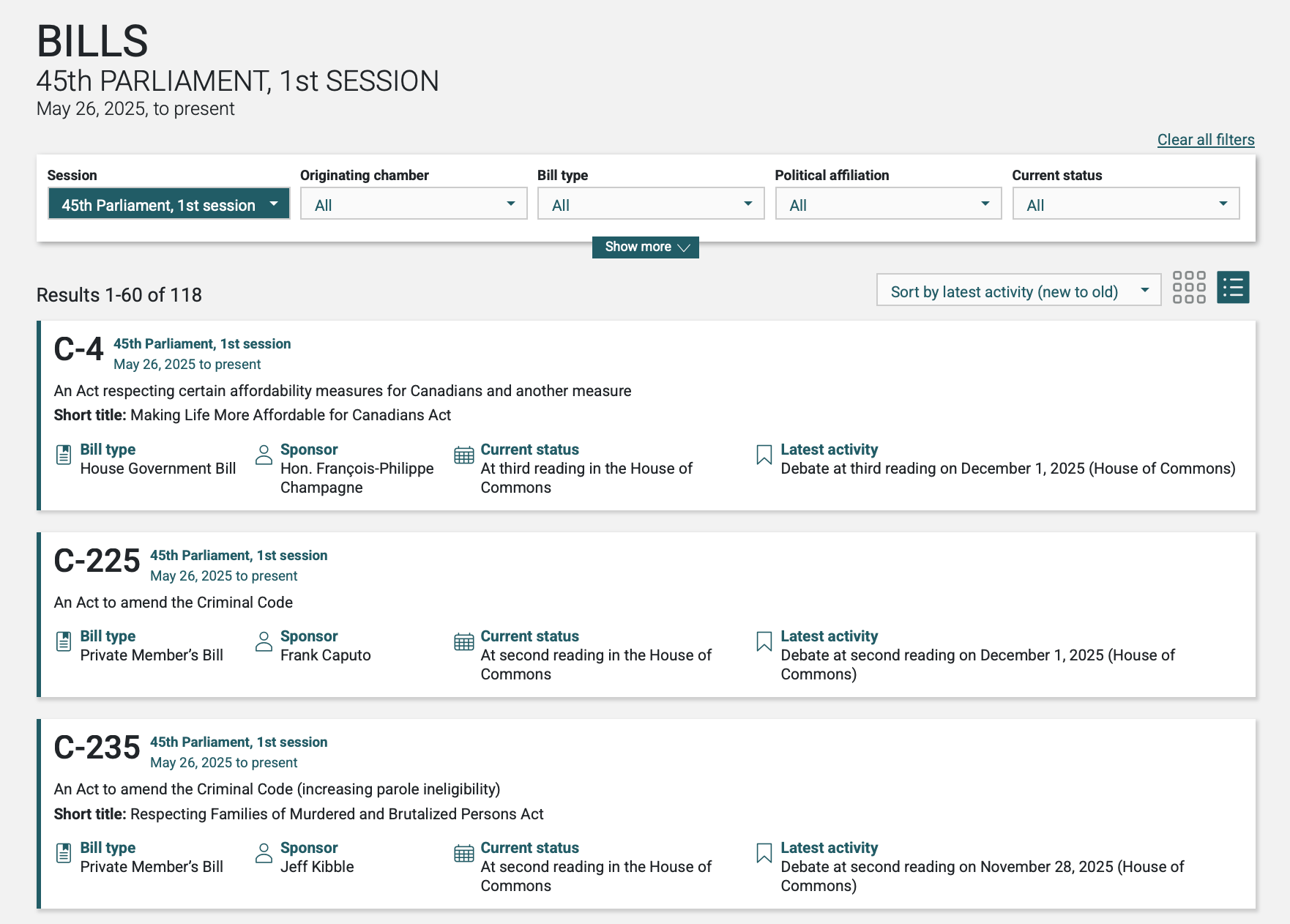
On this page, bills can also be sorted according by activity level. Using that choice, we can see which bills were up for debate at which stage in the past few days:
COMMITTEE STAGE
This stage, between second and third reading, is where Parliamentarians focus on one bill at a time. MPs and Senators may choose to sit on one or more committees chaired by their peers. Senate Committee names, membership lists and contact information are found here: https://sencanada.ca/en/committees/
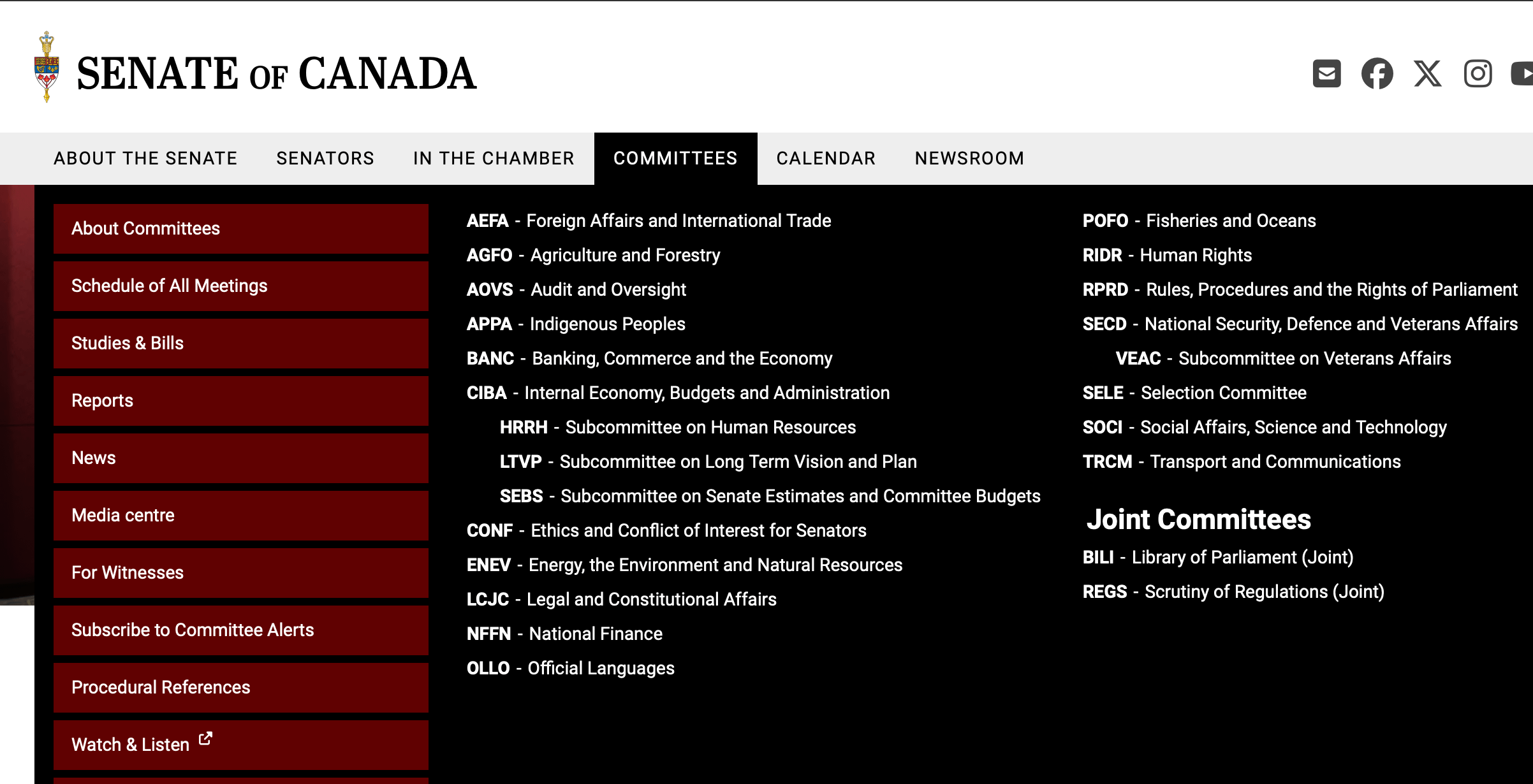
Note the ability to Watch & Listen to Committee meetings.
Note also a section informing people how to present before a committee as a witness. Given the high degree of censorship in Canada, it is likely that names of potential witnesses proposed by Committee members themselves only reflect viewpoints presented on government-funded media outlets. To ensure a balance of viewpoints presented to committee members, citizens are invited to contact the committee staff to ask when names of potential witnesses are being accepted and then to suggest names of indivduals they belive have valuable angles from which to speak. (Ideally, they should contact the people who they propose to suggest to ensure that they would be available.) Additionally, concerned citizens can contact individuals they believe should be heard by a committee dealing with a bill on a certain topic, inviting them to make themselves known to the committee staff directly.
For example, here is the contact information for the clerk of the Senate Standing Committee on Agriculture and Forestry:

Note the upcoming meeting, and the Links/Notes to a Meeting Notice, and a Video option. The meeting notice shows which individuals or which organizations dealing with topics around food security will be speaking. If one were to contact the clerk of this committee to suggest additional names, one could find out if it is too late to do so in this case. Given that the bill needs to also be read in the House of Commons, one could find the relevant Committee and suggest names of witnesses there.
The names and scope of Standing Committees differ from the Senate to the House of Commons.
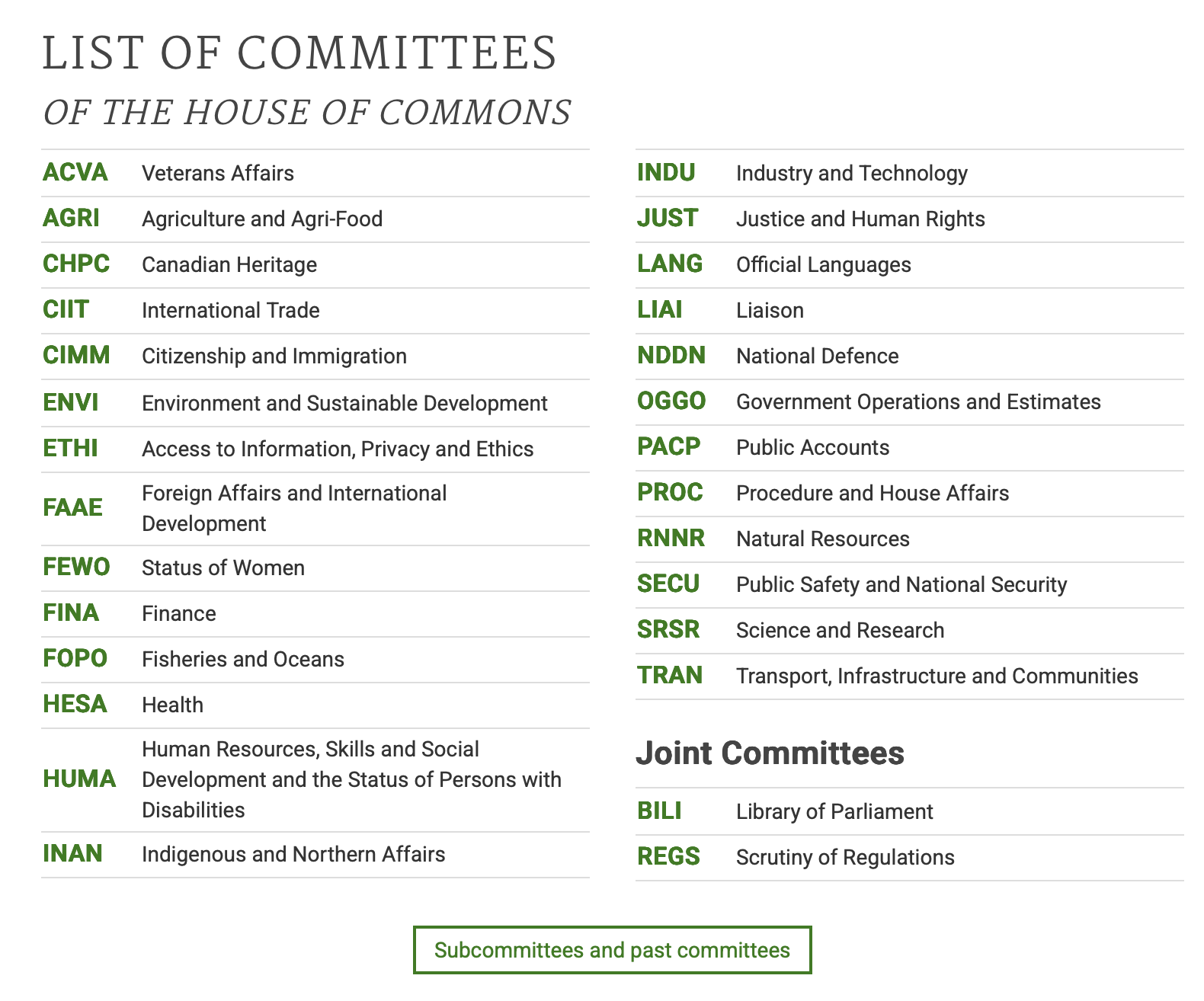
https://www.ourcommons.ca/committees/en/home
Here we see how many House Standing Committee meetings are taking place today:
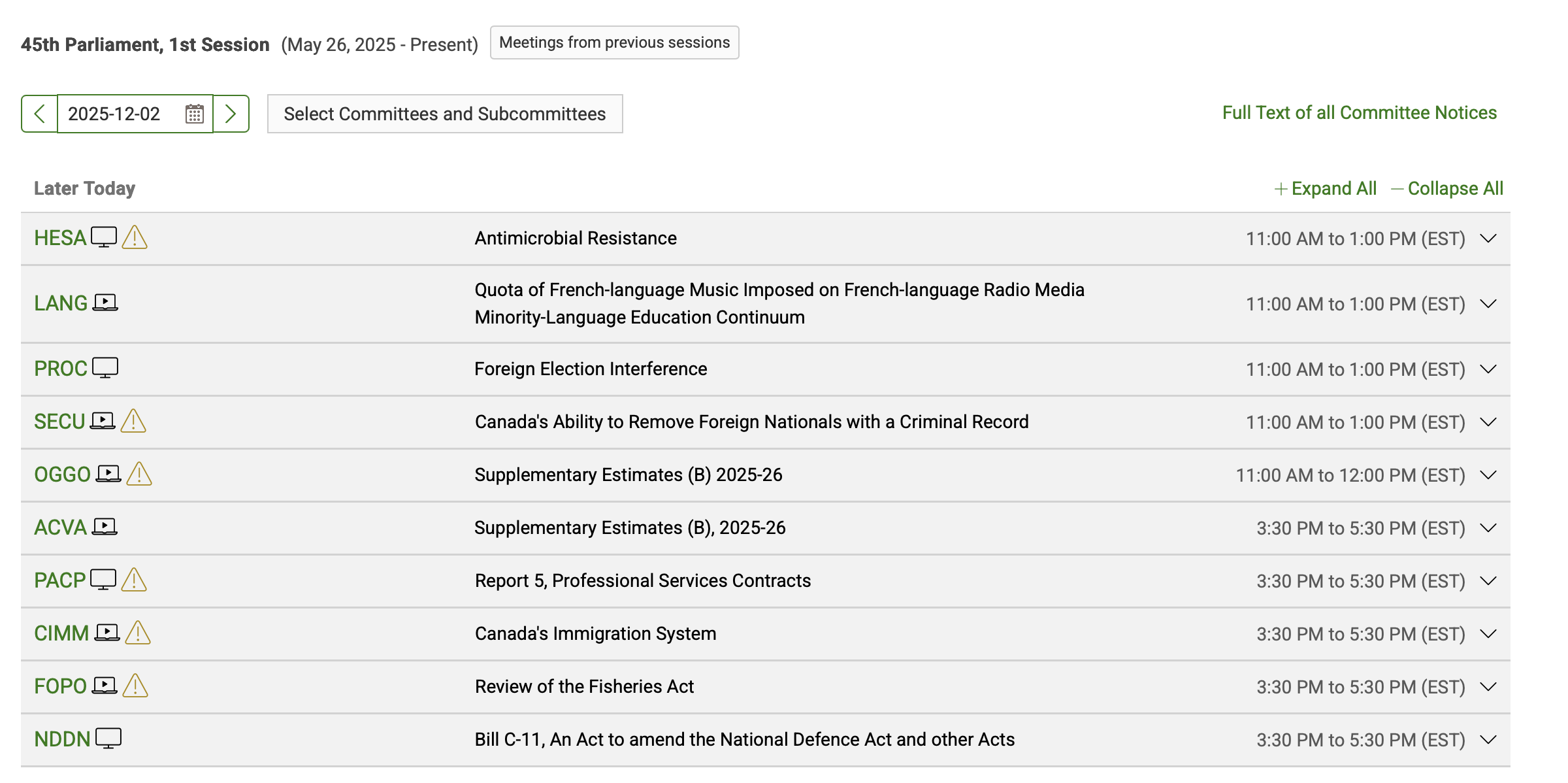
https://www.ourcommons.ca/committees/en/Meetings
Canadians are invited to subscribe for noifications as to upcoming committee meetings so they can follow the various dicussions more closely: https://www.ourcommons.ca/cmte-subscription/en/Newsletter
ONE EXAMPLE: Bill C-9
Looking on the LEGISLATION AT A GLANCE page, one can find Bill C-9 here:
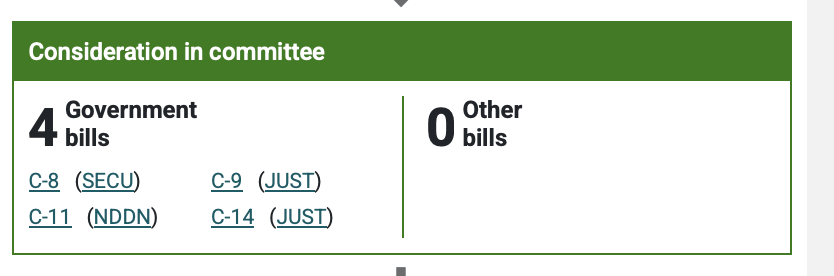
Clicking on C-9 reveals more detail.
https://www.parl.ca/LegisInfo/en/bill/45-1/c-9
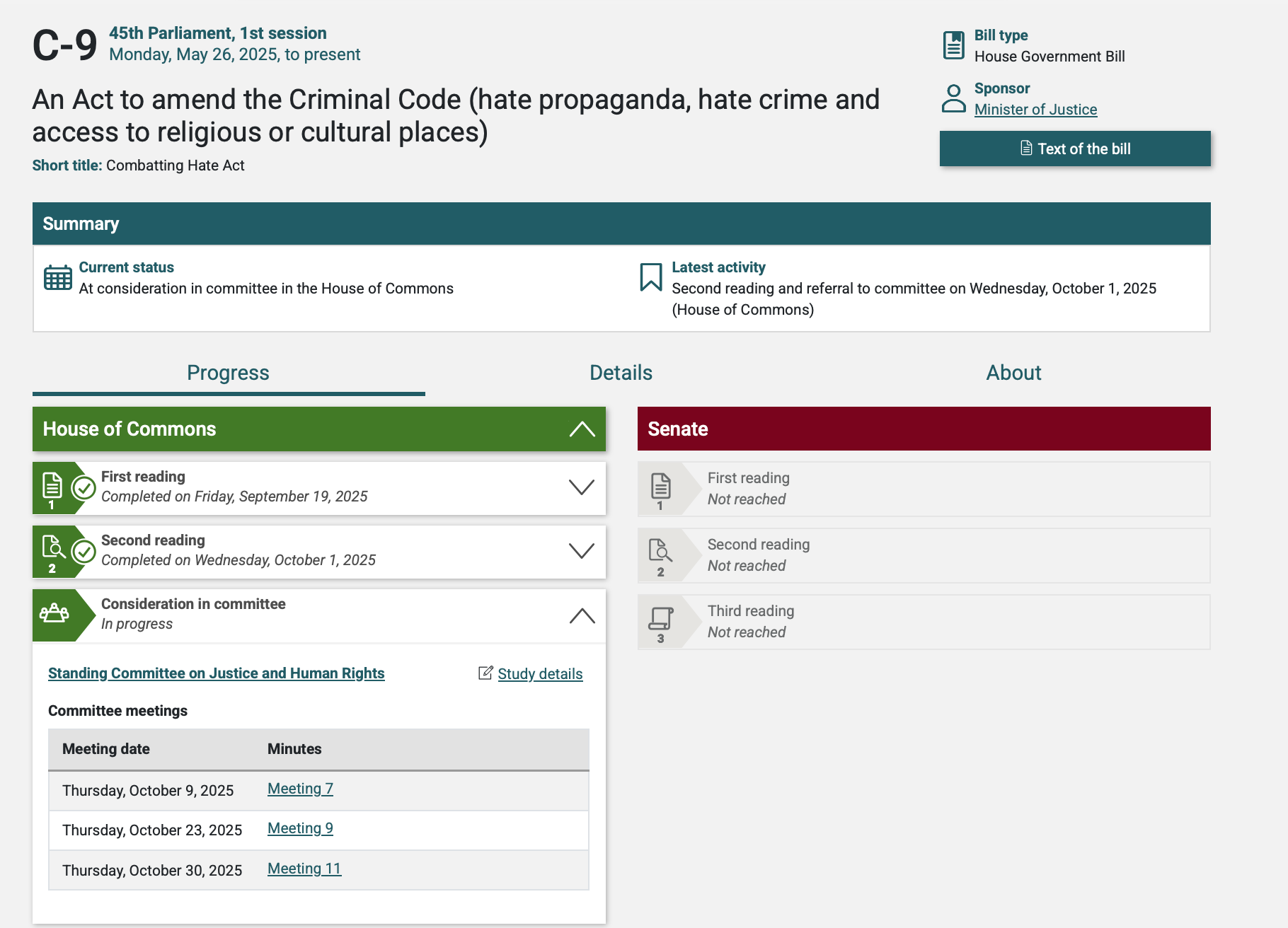
On the top right, one can open the Text of the Bill.
On the botton left, one can see meeting notes and study details of the three times this bill has already come up for discussion within the Justice commiteee.
Sending emails re: concerns about this bill, suggestions for amedments, statements of support for points made by specific witnesses are all ways in which citizens can engage at this time.
Additionally, jouralists may wish to report newsworthy items arising from the varius meeting notes.
BILL BASICS
Canada’s Parliament provides this excellent simple introduction to the process that takes a Bill from a PROPOSAL FOR A NEW LAW to its IMPLEMENTATION.
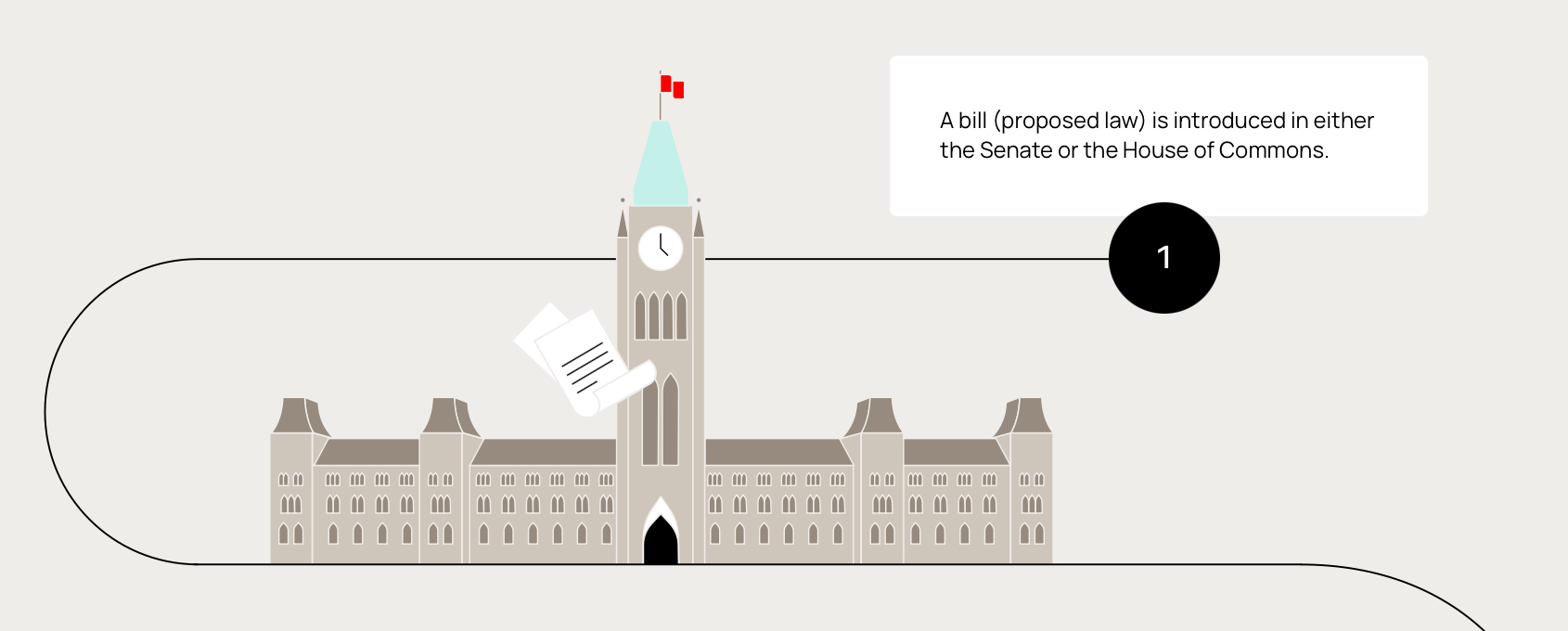
See: https://learn.parl.ca/understanding-comprendre/en/how-parliament-works/how-a-bill-becomes-a-law/
Ideas for new laws often begin outside of Parliament. By signing petitions, meeting with parliamentarians and sharing their perspectives, Canadians indicate what they want to change. Political parties include these ideas in their election platforms. Parliamentarians bring these ideas into Parliament by writing them down in the form of bills (proposals for new laws).
All bills are first introduced in the Senate or the House of Commons by a parliamentarian (that is, a senator or a member of Parliament). Bills can come from the government or from parliamentarians not part of the government.
To expand a bit on the text above, “Ideas for new laws often begin outside of Parliament”, people who feel strongly about the need for certain new policy changes, or changes to existing polices, can consider any or all of these:
Canadians working alone, or through citizen action groups, charities and other organizations, can organize letter writing campaigns which to inform and persuade elected officials about topics and policy ideas they wish to propose and encourage.
Canadians working alone, or through citizen action groups, charities and other organizations, can prepare reports, “white papers” and other documents in why they provide supporting evidence in support of the proposals they wish to have introduced.
Canadians can join political parties. Each party has a local constintuency association which meet regularly with the elected official who is to be represented. At these meetings, party members can share their policy ideas with party membership. Prior to a party’s Annual General Meeting, policy suggestions are collected, ranked and voted on. If and when the party forms government, the policies in the platforms can be used to propose new laws.
Organizations and companies can register as lobbyists to gain access to elected officials. The public has access to reports indicating who is lobbying elected officials when and about which topic. For example, searching for “net zero” we notice a wide range of companies listed. There are specific rules and limits around the activities of lobbyists, some of which are found here. Here we see that in the last 6 weeks Pfizer Canada ULC has had over contacts with Canadian government officials in over 2 dozen Canadian government institutions in the past in the past 6 weeks.
What is not as frequently discussed or reported on publicly is the potential for influential organizations lobbying NON-elected members of government. One example is the publication of countless handbooks meant for government regulators by the world’s largest corporate lobby group (World Economic Forum). The December 2002 publication of “A Toolkit for Regulators” entitled “Agile Regulation for the Fourth Industrial Revolution” predates moves by Health Canada to implement “Agile” regulations when it comes to the regulation of pharmaceutical products in Canada—all outside of the knowledge and awareness of the work of Parliament. The “toolkit” recommended ‘Design, administer and enforce regulation in a way that focuses on the risk posed and minimizes unnecessary costs and side effects’. (p. 7) Subsequent changes to Health Canada’s regulatory system clearly do reduce the up front costs and eliminate quality safeguards in ways that reduce costs and hassles for the large corporate pharmaceutical manufacturing companies, while clamping down on the competition in the natural products area. Canadian lawyer Shawn Buckley provided further insights here and here.

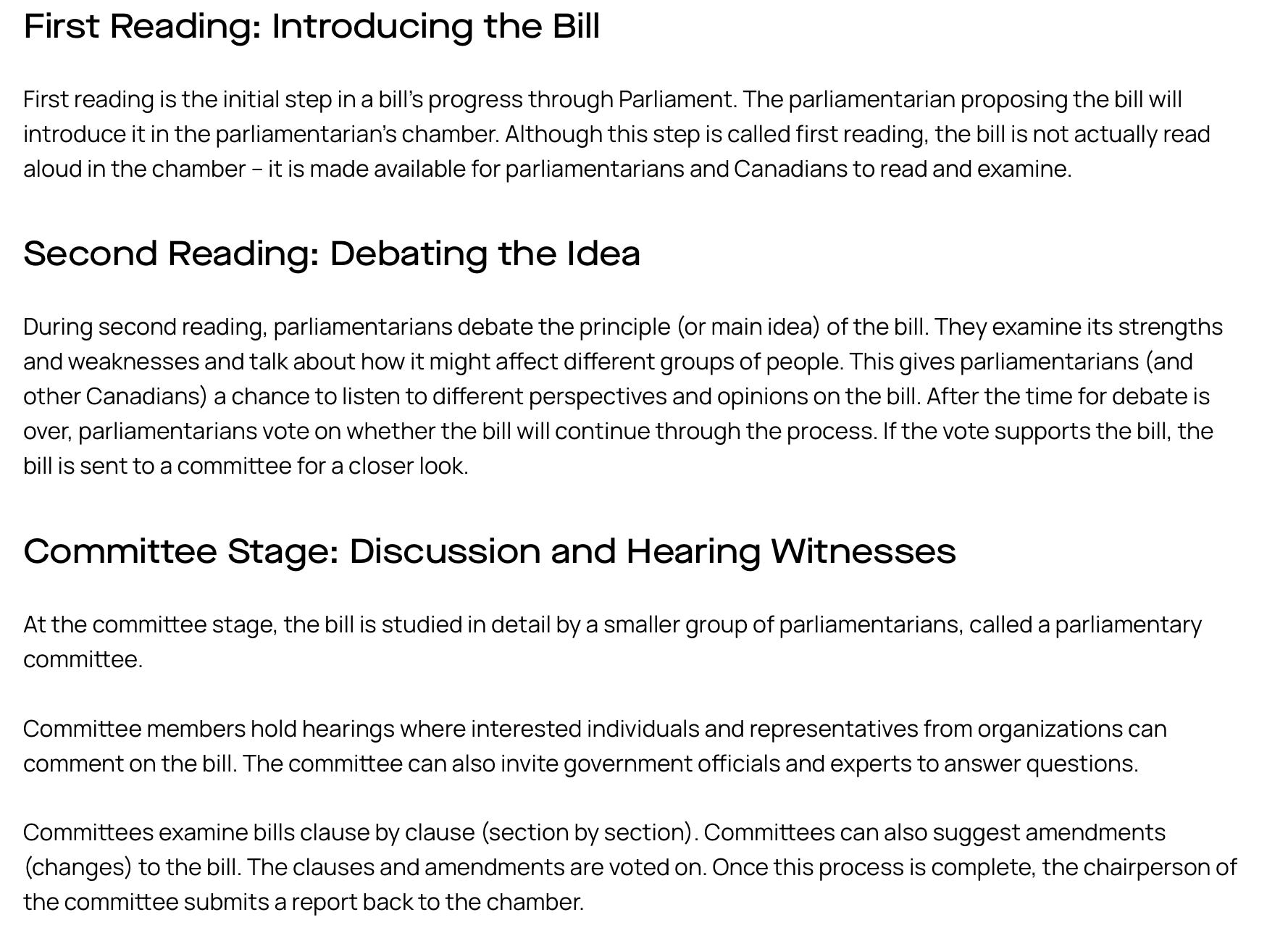
Now, this all sounds great in theory. In practice, there is no time for entire committees to go through the whole bill clause by clause and then brainstorm and discuss on the fly. Also every document brought before a committee must be available in both English and French. This means that if a committee member wishes to propose changes to the bill, ammendments must be submitted for translation in advance. So the clause by clause reading ends up being an amendement by amendment reading instead. Clauses without amendments are almost assumed to be agreed upon and just voted on as a generality.
Many Canadians are not aware of
the content of bills moving through Parliament
how far along are you bill has travelled at any given point in time
how to find the list of members of both Parliamentary and Senate committees on each topic
the fact that people can submit briefs to the committees along a certain timeline (so they can be translated) an dthat people can recommend names of expert witnesses to speak before the committees
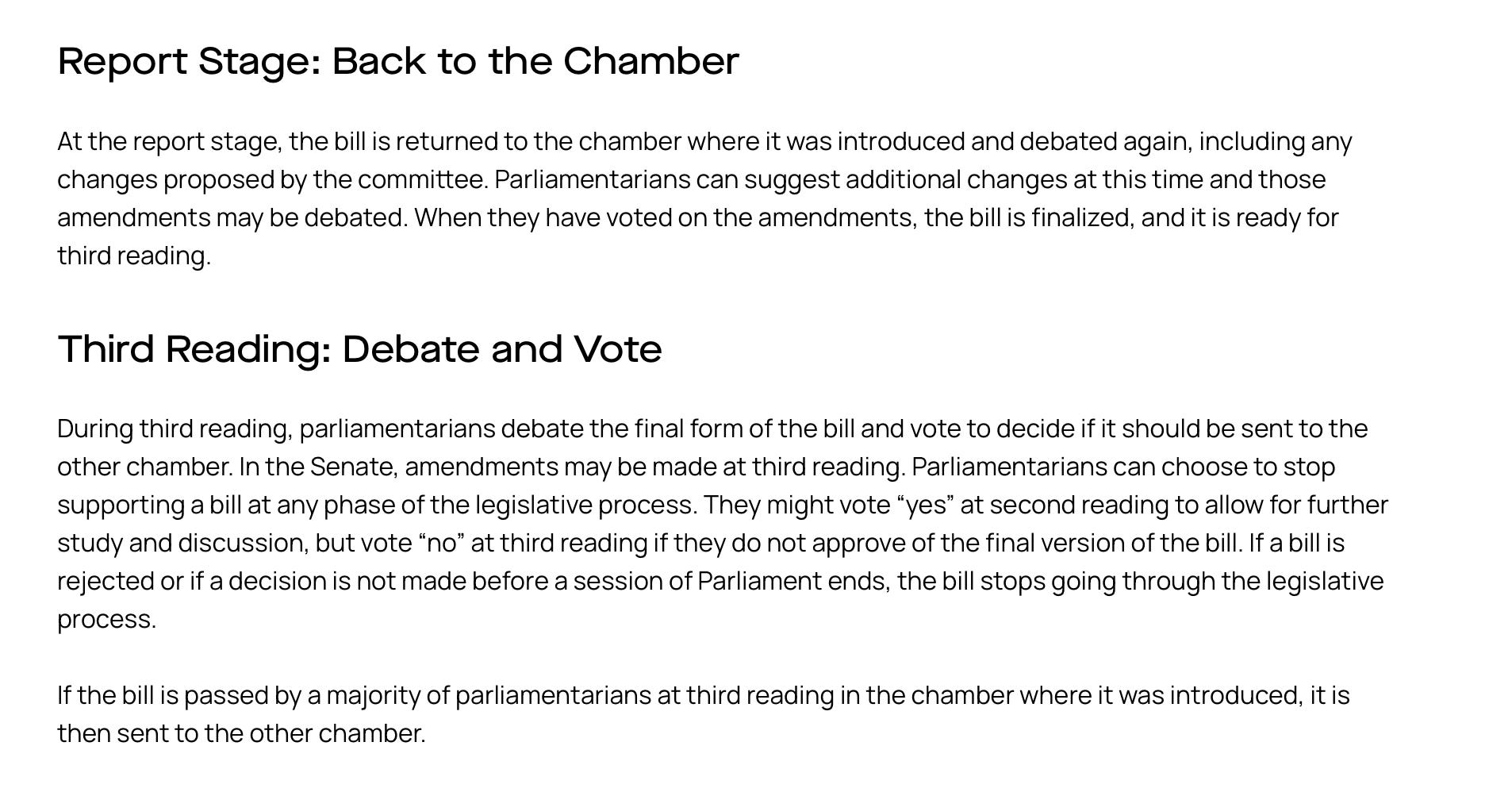

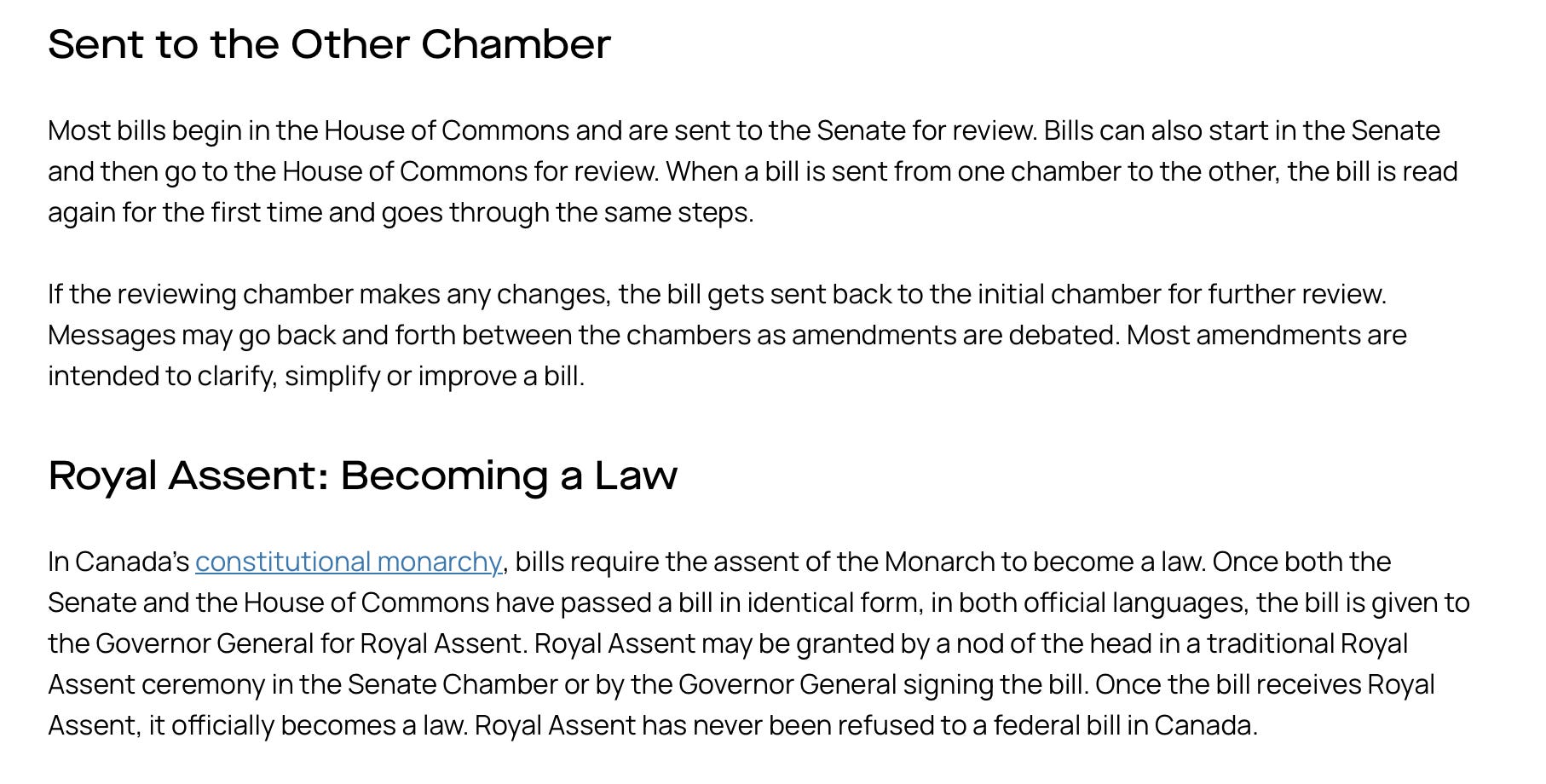
It is quite rare for a bill that has passed third reading in one chamber to then be stopped in the other. It is even rarer for the Governor General to decide NOT to give Royal assent to a bill once it has passed third reading in both chambers. (It has likely never happened in Canadian history.) Having the Governor General appointed by the Prime Minister generally means that the Governer General is aligned with the Prime Minister’s list of priorities.
Readers can consult the webpage https://learn.parl.ca/understanding-comprendre/en/how-parliament-works/how-a-bill-becomes-a-law/ for more details like the following:
Bills that were proposed in the House of Commons start with a C while those originating from the Senate start with an S. Bills discussed at the provincial or territorial level have no letter in front of the number.
Simply put, the impetus for bills is supposed to come forward from governement departments of the various ministries through the Minister to the Cabinet or as private members’ bills (still with the consent of the party, but fronted by an individual MP).
In 1998, the Privy Council prepared additional documentation to outline the Legislative Process. See this Guide to Making Federal Acts and Regulations. In sections like the following, one learns in more detail how the Legislative Agenda of the government party is planned at least a year in advance and how different entities play various roles. These include the Privy Council, which supports the Leader of the Government in the House of Commons as he or she prepares for the introduction of bills. Also included is a Special Committee of Council, made up of Cabinet members.
Who Plans and Manages the Legislative Agenda?
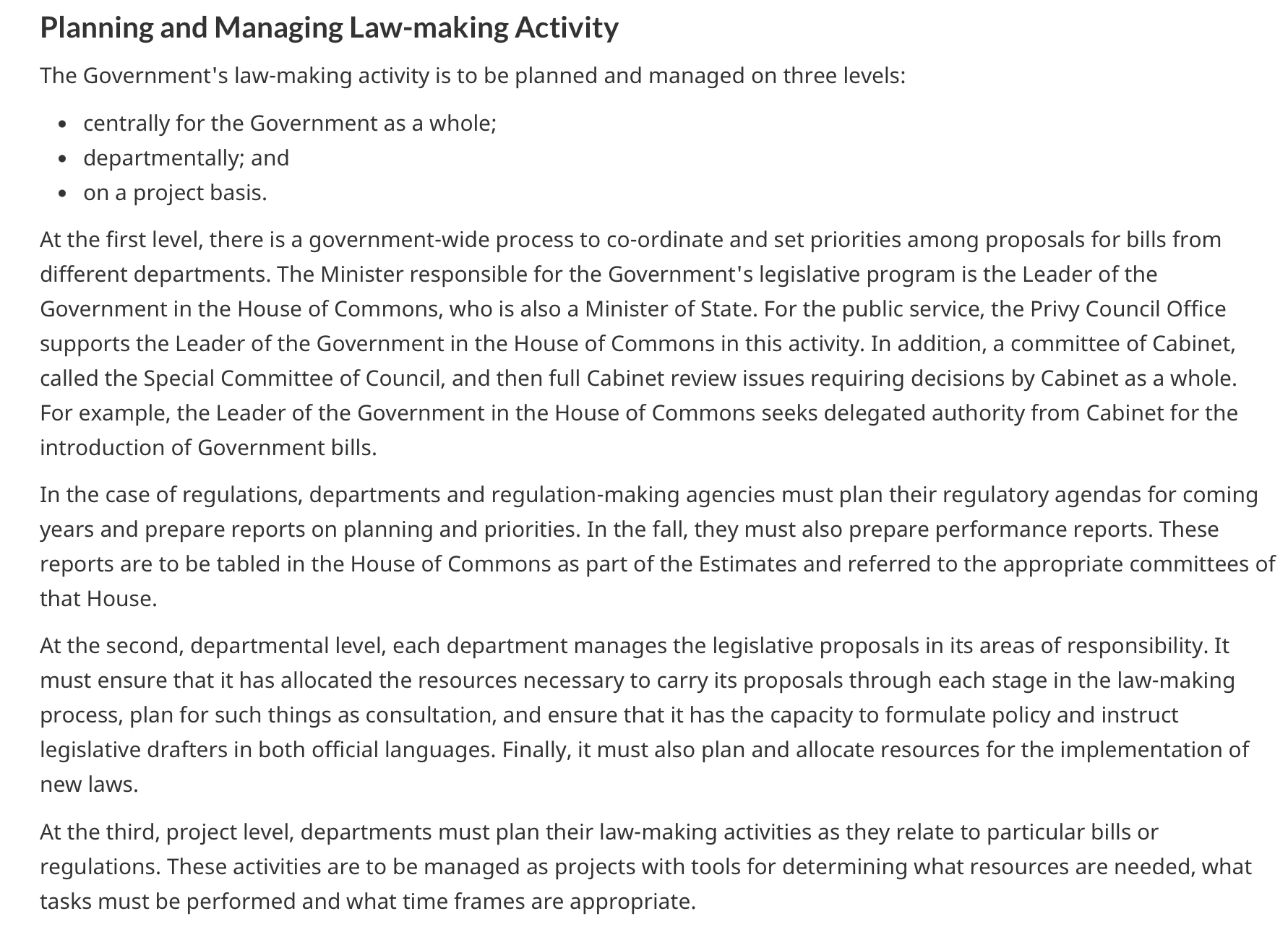
Just like a Deputy Minister is a public servant who generally holds a position for much longer than the MP appointed to the position of Minister, so also Privy Council members and staff have a much greater scope of knowledge and expertise than the Miinister appointed to the position of Leader of the Government in the House of Commons (aka Government House Leader).
Currently, Hon. Steve McKinnon holds the position of Government House Leader (while also holding the portfolio of Minister of Transport.)
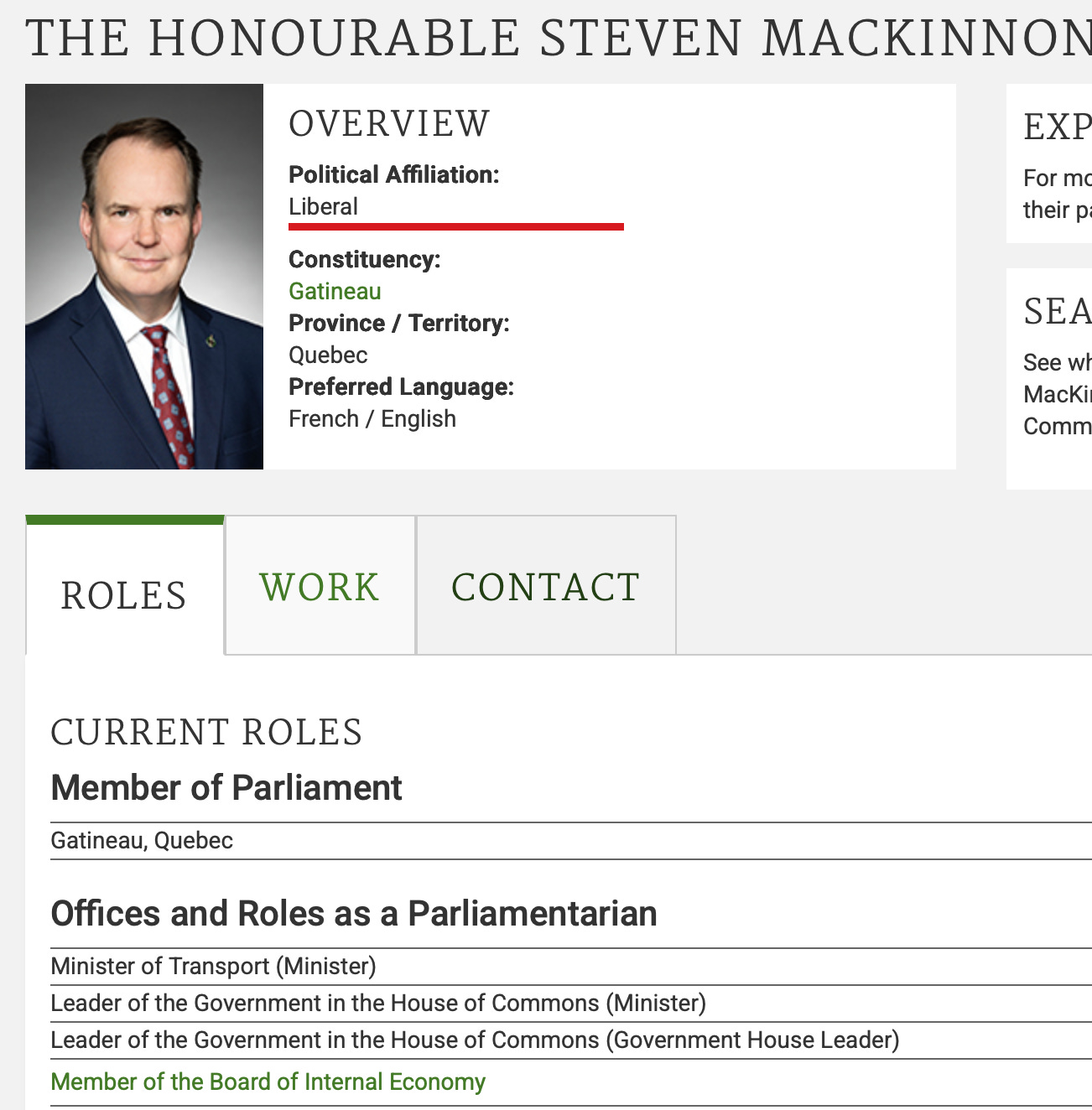
Here we can see how quickly a new person is assigned to this position. It is understandable that an MP with this appointment (on top of all regular duites of a Member of Parliament) and in the case of the Hon. MacKinnon, also responsible for an additonal Cabinet portfolio, would need support of people who have a long-range understanding of the matters at hand .
In Canada, it is the Office of the Privy Council which essentially guides and leads the Government House Leader in the preparation of the legislative agenda. These people would know, for example, which bills were proposed and not implemented in the past and therefore, which bills (or sections of bills) to bring forward again.
Canada’s COMMAND CENTRE - the Privy Council Office
This post by a ciiizen journalist provides a perspective that is not found on Canadian Govenrment websites re: the Legislative Agenda.
It’s the operating system of Canada’s real government. While politicians rotate in and out, the Privy Council ensures that certain interests—above politics and beyond borders—remain fully in control. …
Officially, the Privy Council is a body of advisors appointed by the Governor General to advise the monarch or their representative. [4] Most members are past and present cabinet ministers. But its operational core—the Privy Council Office (PCO)—is a permanent institution embedded at the heart of the federal government.
The PCO isn’t just another department. It oversees all departments. It drafts legislation, coordinates federal strategy, and filters what reaches the Prime Minister’s desk. It’s the command centre for the unelected apparatus of state.
Unlike politicians, senior PCO staff don’t change after elections. Their job is to maintain continuity of governance—but that also means protecting the status quo. And when that status quo serves corporate, foreign, or imperial interests, elections do nothing to interrupt it.

So, to recap, citizens with concerns about particular bills can…
stay informed about which bills are being introduced https://www.parl.ca/LegisInfo/en/legislation-at-a-glance
send emails or letters, or leave voicemail messages to their elected Members of Parliament https://www.ourcommons.ca/Members/en
also send messages to the nearest MP elected from one of the other parties
send messages to all the Senators representing their province/territory https://sencanada.ca/en/senators/
follow citizen action groups organized around issues of concern. Some, such as this one, will have petitions that can be ciruclated and signed. They may also have the email addresses of ALL MPs and Senators easy to copy and paste into mass emails. https://www.4mycanada.com/contact-mp-senator
NOTE with batch emails to MP offices, generally, if the sender does not include their postal code, or if the postal code does not originate from within the riding, this correspondance may be disregarded. On the other hand, it may be seen as a guage of the interest in a certain topic within the population. Office staff are required to make a running tally of the number of contacts made from riding constituents with the MP/Senator’s office on each topic of concern. Phone an MP’s office to ask how batch emails are being interpreted by the staff before sending off many.
Citzens can also call in to radio talk show programs or write brief letters to the editors of local newspapers to share their views on issues of concern to them. If discussions around a bill are not being reported on in the Canadian news reports on these platforms, people can ask why not!

Everyone is talking but no one is listening.
The reason we cannot get our message out to the general public is because each of us works alone with no numbers, no resources, no reach and no muscle. In Canada, there are thousands of us and we compete against each other, each trying to get our own voice heard over the noise of all of us talking at the same time. The effect is we drown each other out and none of our voices are heard.
Everyone is talking but no one is listening.
We...must...unite. But, we are not united and we are not uniting. If we can't or don't unite then we lose this global war.
Ian Bell
www.virusfraud.org
https://youtu.be/DFTsd042M3o very important for all to reas. bobby martin